AR and VR on the Web: Try Products Without Leaving Home (WebXR)
Returns go down, conversion goes up. How AR and 3D models are changing ecommerce without forcing users to download an app.
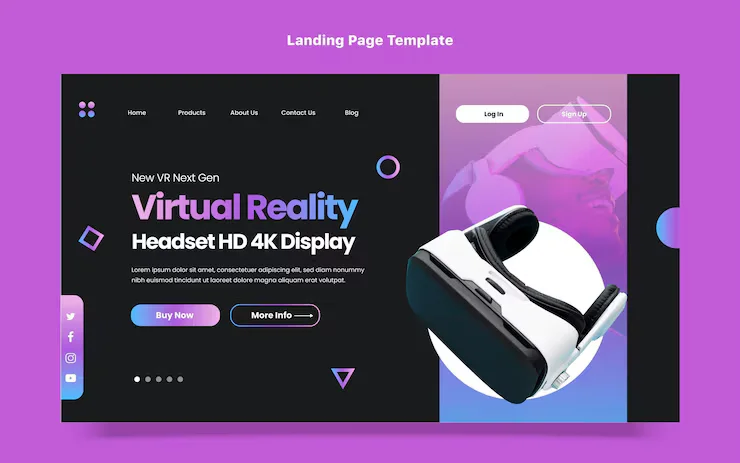
Why do people return clothes? “It didn’t fit.” Why do they return furniture? “It didn’t fit in the space.” This is the biggest cost line in ecommerce. The solution isn’t better photos. The solution is AR (Augmented Reality). And the best news? You no longer need an app. It runs in the browser (WebXR).
3D commerce: rotate, zoom, explore
A static image is boring. A 3D model you can spin keeps customers on the page longer. According to Shopify, having a 3D model on the product page can boost conversion by up to 94%. It’s a trust issue. The customer can see the product from every angle.
Virtual try‑on (VTO)
Sunglasses: The camera detects a face and places the glasses on it. Furniture: The camera detects the floor and places a sofa in the living room (to scale). This reduces buyer’s remorse.
Apple Vision Pro and the spatial web:
Even if the “metaverse” is dead, “spatial computing” is alive. Websites are no longer flat screens. They are spatial experiences. Your shop should be ready to “float” in the user’s living room.
FAQ: WebXR
Will this make the site slow? +
If done correctly, no. The 3D model (glTF/USDZ) loads only when the user taps it (lazy loading). Initially they see just an image.
How much does a 3D model cost? +
Prices have dropped. Modeling a simple product costs €50–150. It’s a one‑time investment that pays back quickly through fewer returns.
Bring your products off the screen
We create 3D models of your products and integrate AR views.
See AR demos →
Stiven
Web developer / technical lead
Graduated in web development and has 10+ years of experience with servers, web development and infrastructure. Focused on performance, security, SEO and automation.
Learn more about the SIA DESIGN team →